Evaluate Your Electrical System

Electrical Safety Inspection in Denver CO

An electrical safety inspection gives you a clearer picture of the condition of a property’s electrical system. It can help identify hazards, outdated equipment and problems that may need attention. Electrical safety inspection in Denver CO is useful for homeowners, landlords, buyers and property managers.

This page explains what an inspection usually covers, when it makes sense and how it differs from an official city inspection.

Electrician checking breakers in a commercial electrical panel
Purpose

What an Electrical Safety Inspection Is For

An electrical safety inspection is a professional review of a property’s electrical system. The goal is to look for conditions that could create a shock or fire risk, equipment that is worn or outdated and areas that may need repair or upgrades. Our guide to what a home electrical safety inspection includes explains each area.

It is different from troubleshooting. Troubleshooting starts with a known problem and looks for its cause. An inspection looks at the system as a whole, even when nothing seems wrong.

No inspection can find every hidden defect. Wiring inside walls and ceilings may not be visible, so findings are based on what can be safely seen and tested.
What Is Checked

What an Inspection Usually Covers

The exact scope depends on the property and the inspector. These are common areas.

Electrical Panel

The panel’s condition, signs of heat or corrosion, breaker types and labeling and whether the panel appears suited to the property’s load.

Wiring and Connections

Visible wiring, signs of damage or overheating, older wiring methods and connections at accessible outlets, switches and boxes.

Outlets and Switches

Loose, damaged, warm or nonworking devices, missing cover plates and the presence of tamper-resistant outlets where expected.

Grounding and Protection

Grounding and bonding, and whether GFCI and AFCI protection is present in the places where it is commonly required.

When to Schedule

When an Electrical Safety Inspection Makes Sense

Many people schedule an inspection before buying an older home, when they take on a new rental property or after moving into a property with an unknown electrical history. If you are buying, see whether you need an electrical inspection before buying a house.

Inspections are also helpful before a renovation, after water or storm damage, before adding major loads such as an EV charger or new appliances and when a property has had repeated electrical problems. Landlords may also want periodic inspections between tenants to catch worn outlets, missing cover plates or other issues early.

Older Denver homes can have a mix of original wiring and later updates. An inspection can help show what is there and whether any of it needs attention. Here is more on when an older home should have an electrical inspection.

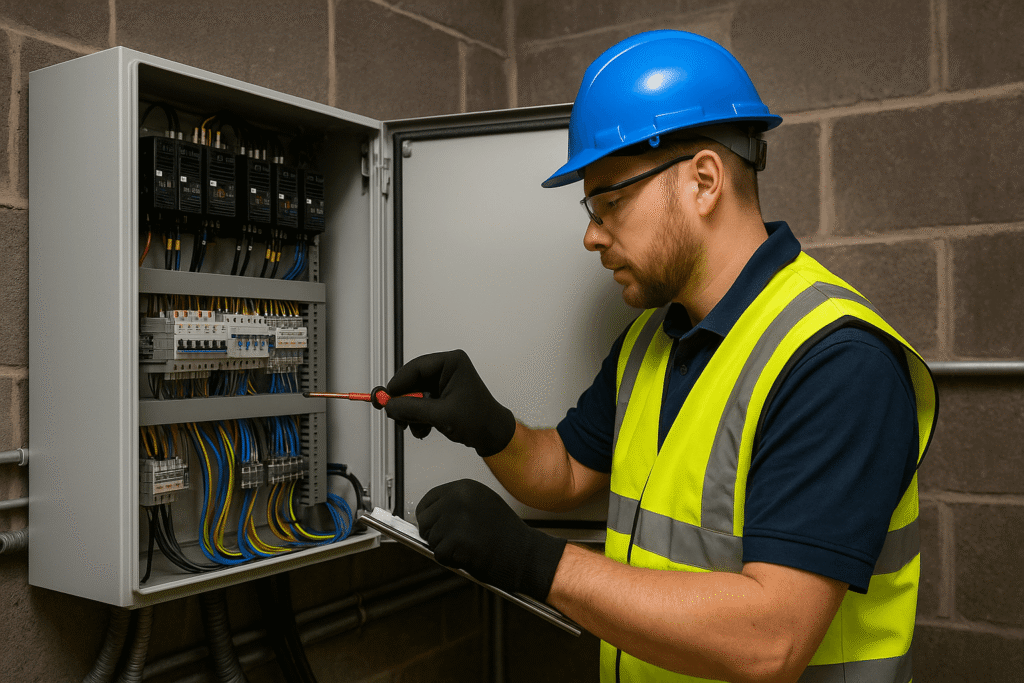
Electrician in a hard hat and safety vest inspecting an electrical control panel
City vs. Private

Private Inspection vs. City Inspection

A private electrical safety inspection is an assessment done for you, the property owner or buyer. It is not an official code inspection, and it does not give government approval for any work.

Official inspections in Denver are done by City and County of Denver inspectors for work done under a permit. The city’s construction inspections page explains how those inspections are scheduled.

If a private inspection finds issues that need repair, that work may need its own permit and city inspection.

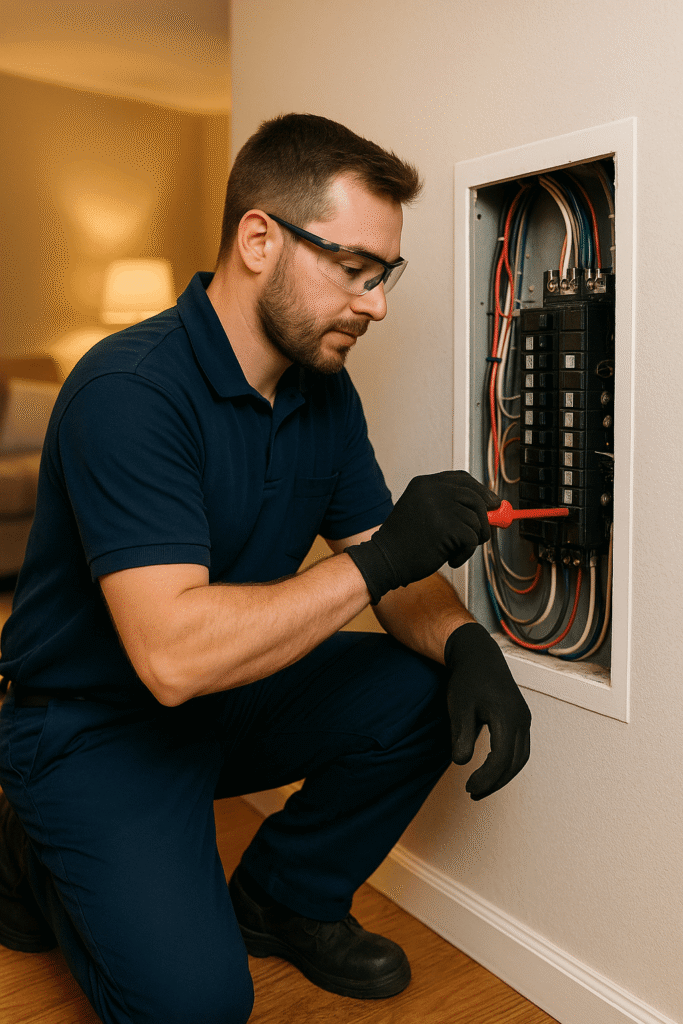
Electrician in a navy uniform working on a home electrical panel
After the Inspection

Understanding Inspection Findings

After an inspection, you should receive an explanation of what was found. Findings are often grouped by urgency, from immediate safety concerns to items worth planning for in the future.

Some findings lead to repairs, such as replacing damaged outlets or tightening connections. Others may point to larger projects. Panel concerns may call for electrical panel repair, and missing shock protection may call for GFCI outlet installation.

Ask questions about anything you do not understand, and ask which items should be handled first. Keeping a copy of the findings can also help when planning future electrical projects.

Costs

What Affects Electrical Inspection Costs

The cost of an electrical safety inspection depends on the property and the scope. Factors include the size of the building, the number of panels and circuits, the age and type of the wiring, access to attics, basements and crawl spaces and whether a written report is needed.

An electrician can explain the scope and give an estimate before the inspection. Inspections are part of the residential and commercial electrical help in Denver we provide.

Request an Electrical Safety Inspection in Denver

Tell us about the property, its approximate age and why you want an inspection, such as a home purchase, rental or renovation. Send the details using the form below, and we will get back to you.

Common Questions

Electrical Safety Inspection FAQs

Answers about electrical safety inspections.

It usually covers the panel, visible wiring, outlets and switches, grounding and bonding and GFCI and AFCI protection. The scope depends on the property.

Common times include before buying a home, after moving in, before a renovation, after water or storm damage and when problems keep coming back.

It can be helpful. Older homes may have outdated wiring or panels, and an inspection can help you understand what you are buying.

Yes. An inspection can often identify older panels, wiring methods and devices that may need repair or replacement.

No. A private inspection is an assessment for you. Official inspections for permitted work in Denver are done by city inspectors.

No inspection can find every hidden defect. Findings are based on what can be safely seen and tested.

Need Our Help
Get in Touch