Panel Faults and Damage

Electrical Panel Repair in Denver CO

Your electrical panel is where power is split into the circuits that run your home or business. When something goes wrong there, it can affect many circuits at once and create a fire risk. Electrical panel repair in Denver CO focuses on finding and correcting panel faults safely.

This page covers common panel problems, what an inspection involves and when a panel may need replacing instead of repair.

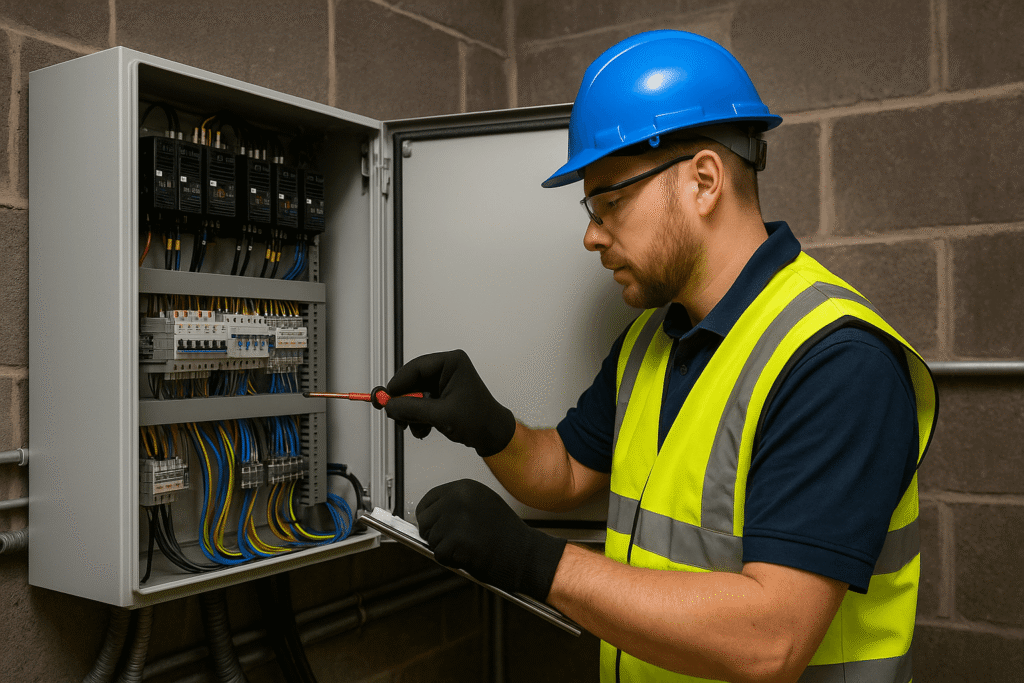
Electrician in a hard hat and safety vest inspecting an electrical control panel
Common Problems

Common Electrical Panel Problems

Panel problems often start small. A connection loosens, a breaker begins to fail or moisture gets inside the enclosure. Over time, those problems can lead to heat damage, unstable power or circuits that stop working.

Many panel problems show up first as something else, such as lights dimming when a large appliance starts or several breakers tripping more often than usual. Because the panel connects to every circuit, these symptoms should be checked rather than ignored.


Warning Signs

Signs of a Faulty Electrical Panel

Any of these may indicate a panel problem that needs professional inspection. Our article on the warning signs of a faulty electrical panel covers them in more detail.

Heat or Burning Smells

A panel cover that feels warm, a hot or burning smell or discoloration around breakers can be associated with overheating. Treat this as urgent.

Corrosion and Moisture

Rust, water stains or moisture in or around the panel can damage connections and breakers. Water near a panel is a serious hazard.

Partial Power Problems

When some circuits lose power, or lights dim across several rooms, the cause may be a loose connection in the panel or a problem with the service.

Damaged Components

Breakers that will not stay on, cracked or melted parts and buzzing or crackling sounds can all point to damaged panel components.

Causes

What Causes Electrical Panels to Overheat

Overheating in a panel is usually caused by resistance at a connection. A loose or corroded connection, a worn breaker or a breaker that does not seat properly on the bus bar can create heat every time current flows. Loose connections can also cause sounds, which is one reason an electrical panel may start buzzing.

Overloaded circuits and panels serving more load than they were designed for can also run hot. Over time, that heat can damage insulation, breakers and the bus bars inside the panel.

Moisture is another common cause of trouble. Roof or plumbing leaks, and panels in damp basements, garages or outdoor locations, can lead to corrosion.

Electrician wearing safety glasses working on commercial electrical wiring
Inspection

How a Professional Panel Inspection Works

An electrician will usually start by checking the outside of the panel and the area around it for signs of heat or moisture. With the right safety precautions, they then inspect breakers, connections, bus bars and grounding, and test circuits that are acting up.

Some parts inside a panel stay energized even when the main breaker is off. Never remove the panel cover or touch anything inside the panel yourself. If you smell burning, see smoke or notice sparking, leave the area and call 911.

Hiring a Qualified Electrician

Panel work should be done by a licensed electrician. Colorado requires electricians to hold a state license, and you can check a license number with the Colorado State Electrical Board license lookup.

Smiling electrician in an orange hard hat and safety glasses
Repair or Replace

Panel Repair vs. Panel Replacement

Many panel problems can be repaired. Replacing a damaged connection, replacing failed breakers and correcting grounding problems are common fixes. When a single breaker is the issue, circuit breaker replacement may be all that is needed.

Some conditions are not good candidates for repair. Heavy heat damage to the bus bars, widespread corrosion, a panel with no compatible parts available or a panel that cannot safely handle the building’s load may call for replacement. If the issue is capacity or outdated equipment, an electrical panel upgrade may be the better long-term choice.

An electrician can explain which option fits after inspecting the panel. It also helps to understand when an electrical panel can be repaired instead of replaced.

Costs

What Affects Panel Repair Costs

The cost of panel repair depends on what the inspection finds. Common factors include the type and number of parts that need replacing, the extent of any heat or corrosion damage, the availability of compatible breakers and parts, access to the panel and whether a permit and inspection are required. Many panel repairs in Denver need a permit.

An estimate can be given after the inspection. Panel repair is part of the local emergency electrical services we provide to Denver homes and businesses.

Request Electrical Panel Repair in Denver

Describe what you are noticing at the panel, such as heat, smells, buzzing or breakers that will not stay on. Send the details using the form below, and we will get back to you. If there is smoke or fire, call 911 first.

Common Questions

Electrical Panel Repair FAQs

Answers about electrical panel problems and repairs.

Heat, burning smells, buzzing, scorch marks, corrosion, breakers that will not stay on and dimming lights across several rooms can all be signs.

Often, yes. Loose connections, failed breakers and some grounding problems can be repaired. Severe heat or corrosion damage may require replacement.

Loose or corroded connections, worn breakers, breakers that do not seat properly and overloaded circuits are common causes.

Replacement may be needed when the bus bars are damaged, compatible parts are no longer available, corrosion is widespread or the panel cannot safely support the load.

A panel cover that feels warm or smells hot should be checked soon. Reduce heavy loads, and call 911 if you see smoke or fire.

Many panel repairs require a permit and inspection in Denver. Your electrician can confirm what your job needs.

Need Our Help
Get in Touch