Safe Backup Power Connections

Generator Transfer Switch Installation in Denver CO

A backup generator can keep important circuits running during an outage, but only if it is connected the right way. Generator transfer switch installation in Denver CO adds approved equipment that lets a suitable generator power selected loads while keeping it separated from the utility lines.

This page explains what a transfer switch does, the main types and why safe connections matter.

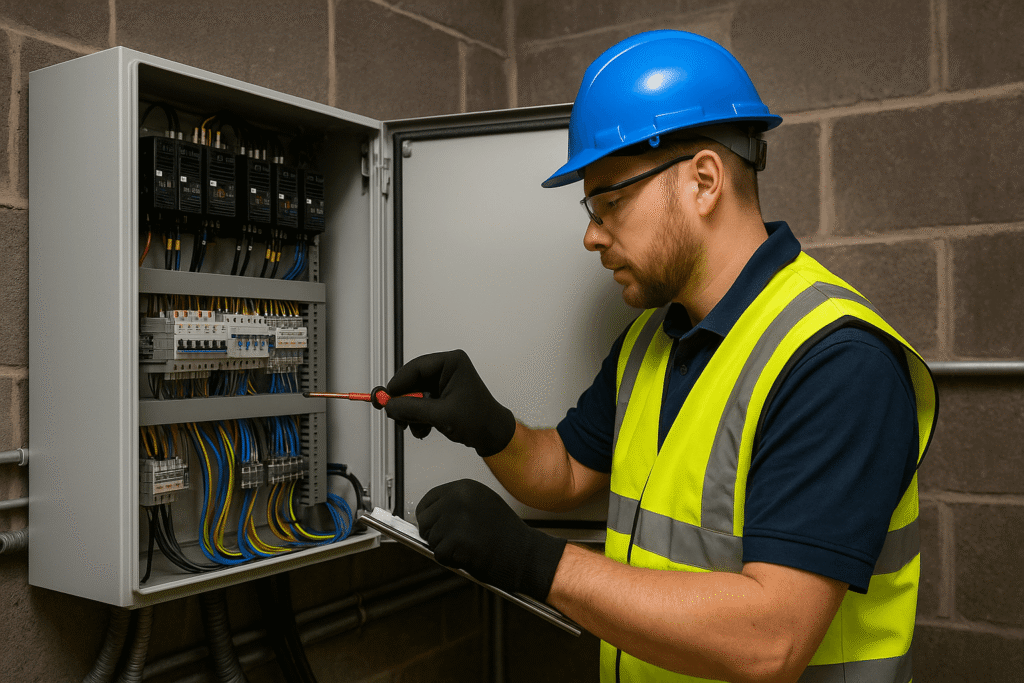
Electrician in a hard hat and safety vest inspecting an electrical control panel
The Basics

What a Generator Transfer Switch Does

A transfer switch changes the source of power for certain circuits from the utility to a generator and back again. While the generator is running, the switch disconnects those circuits from the utility supply.

That separation is the key safety feature. It prevents generator power from flowing back onto utility lines, and it keeps utility power and generator power from meeting inside your electrical system. Our article on why a home generator needs a transfer switch explains this in more detail.

A transfer switch also makes it easier to choose which circuits get backup power, such as a furnace, refrigerator, sump pump or a few lights.

Without transfer equipment, people often run extension cords through a window to power a few appliances. That can work for plug-in devices, but it cannot safely power built-in equipment such as a furnace or well pump.

Options

Types of Transfer Equipment

The right option depends on the generator, the panel and how you want backup power to work. Here is the difference between manual and automatic transfer switches.

Manual Transfer Switches

You start the generator and move the switch by hand. These are common with portable generators.

Automatic Transfer Switches

They sense an outage and switch to the generator automatically. They are typically paired with permanently installed standby generators.

Generator Inlets

A weather-rated inlet on the outside of the home lets a portable generator connect with a proper cord instead of extension cords through a window.

Panel Interlocks

Some panels can use a listed interlock that prevents the main breaker and generator breaker from being on at the same time.

Safety

Why Backfeed Prevention Matters

Backfeed happens when generator power flows into the home’s wiring without being isolated from the utility. That power can travel out onto the lines and create a deadly hazard for utility workers and neighbors.

The Consumer Product Safety Commission’s portable generator safety alert warns never to power house wiring by plugging a generator into a wall outlet. Approved transfer equipment, installed correctly, is the safe way to connect a generator to household circuits.

Always run generators outdoors, away from windows, doors and vents, because of the carbon monoxide risk.

Electrician wearing safety glasses working on commercial electrical wiring
Compatibility

Matching the Generator, Switch and Loads

Not every generator works with every transfer switch. The switch, inlet and cord need to match the generator’s output and connection type, and the generator must be large enough for the circuits you plan to run. If you have a portable generator, see how a portable generator can connect to a home panel safely.

Choosing which loads to back up is an important step. Large loads, such as central air conditioning or electric ranges, may be more than a portable generator can handle. An electrician can help you decide which circuits make sense.

If your panel is old, full or damaged, it may need attention before transfer equipment is added. Our electrical panel upgrade page covers panel improvements.

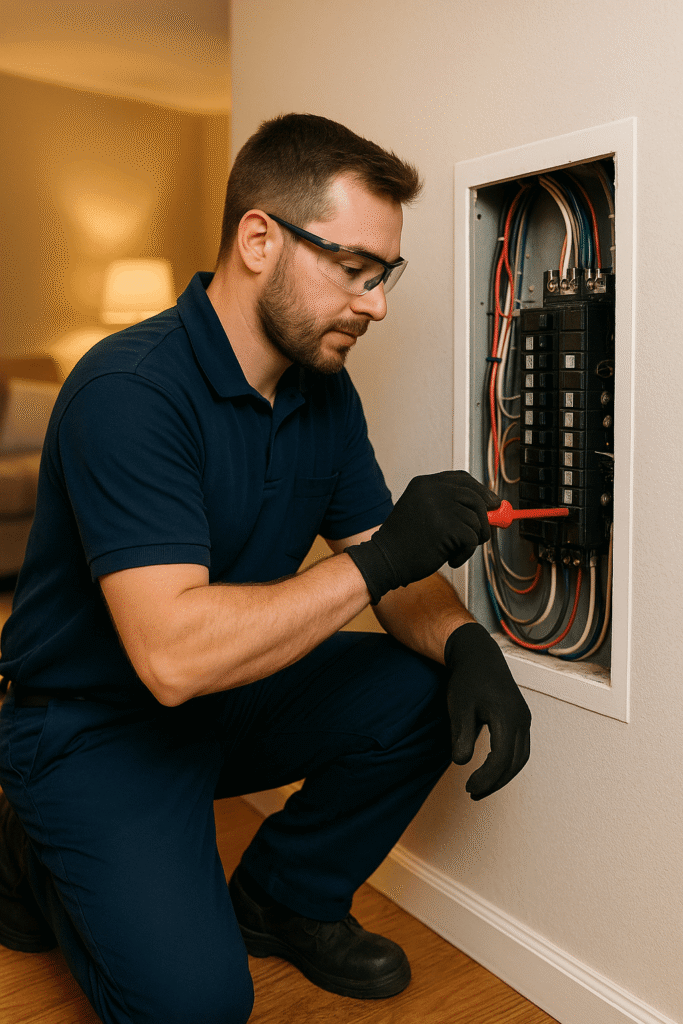
Electrician in a navy uniform working on a home electrical panel
Permits

Denver Permits and Professional Installation

Installing a transfer switch, interlock or generator inlet changes the home’s electrical system and generally requires a permit and inspection in Denver. The work involves the main panel and should only be done by a qualified electrician.

During a long outage, it also helps to know whether the problem is on the utility’s side or inside your home. Our power outage troubleshooting page explains the difference.

This page covers transfer equipment. Installing a complete standby generator system involves additional work, such as fuel and placement, that should be discussed separately.

Costs

What Affects Transfer Switch Installation Costs

Costs depend on the type of equipment and the home. Common factors include:

  • Manual switch, automatic switch, inlet or interlock
  • The number of circuits to be backed up
  • Panel condition, space and compatibility
  • Distance between the generator location and the panel
  • Inlet and cord requirements for portable generators
  • Permit and inspection requirements

An electrician can recommend options and give an estimate after reviewing your panel and generator. Transfer switch work is part of the Denver electrical contractor services we provide.

Request Generator Transfer Switch Installation in Denver

Tell us about your generator, including its size and type, the circuits you want to back up and where the generator will sit. Send the details using the form below, and we will get back to you.

Common Questions

Generator Transfer Switch FAQs

Answers about safe generator connections.

It switches selected circuits from utility power to generator power and keeps the two separated, which prevents dangerous backfeed.

A manual switch is moved by hand after you start the generator. An automatic switch senses an outage and switches over on its own.

Yes, with a compatible manual transfer switch or inlet setup sized for the generator and the circuits you choose.

Backfeed can send generator power onto utility lines, creating an electrocution risk for utility workers and neighbors.

Equipment type, number of circuits, panel condition, generator location, inlet needs and permits all affect cost.

No. The CPSC warns never to backfeed a home through a wall outlet. Use approved transfer equipment installed by a qualified electrician.

Need Our Help
Get in Touch