Faulty Light Switches

Electrical Switch Repair in Denver CO

A light switch is a simple device, but when it fails, it can leave a room dark or create a safety concern. Electrical switch repair in Denver CO focuses on finding out why an existing switch is not working properly and correcting the problem.

This page covers common switch problems, what an electrician checks and when a switch should be replaced.

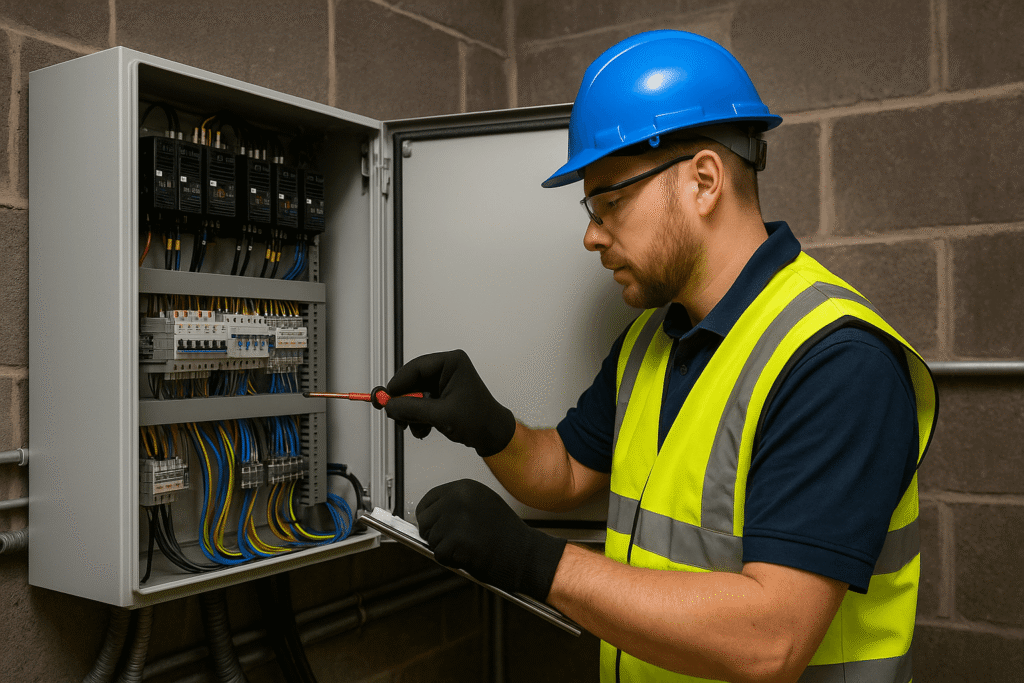
Electrician checking breakers in a commercial electrical panel
Common Problems

Why Light Switches Stop Working

Switches have moving parts that wear out over years of use. Inside, small contacts open and close every time you flip the switch. When those contacts wear or the connections behind the switch loosen, the switch may stop working or only work some of the time. Switches in busy spots, such as entryways, kitchens and hallways, tend to wear faster simply because they are used more. Older switches may also use push-in connections that can loosen over time.

A switch can also seem faulty when the real problem is somewhere else. A burned-out bulb, a failing fixture, a tripped breaker or a loose connection elsewhere on the circuit can all make a switch look like the cause.
Warning Signs

Signs of a Faulty Switch

These signs may point to a switch problem. Testing is needed to confirm the cause.

Switch Does Nothing

If the light does not respond and the bulb and breaker are fine, the switch or its connections may have failed. Here is a closer look at why a light switch stops working.

Works Only Sometimes

A switch that needs to be wiggled or flipped several times may have worn contacts or a loose connection.

Crackling or Buzzing

Crackling, popping or buzzing from a switch can be associated with arcing at a loose connection. Stop using it. Learn when a buzzing light switch is dangerous.

Warm Switch Plates

Standard switches should feel cool. A warm or hot switch plate may indicate a problem. Some dimmers run slightly warm in normal use.

Look Beyond the Switch

Flickering Lights and Switch Problems

Flickering lights are often blamed on the switch, but there are many other possible causes. Loose bulbs, failing fixtures, dimmers that are not compatible with LED bulbs, loose connections in the circuit and problems in the panel can all cause flicker.

If several lights flicker at once, the cause is less likely to be a single switch. In that case, broader electrical troubleshooting may be the right first step.

Electrician in a hard hat and safety vest inspecting an electrical control panel
Safety

Switch Safety Warning Signs

Do not keep using a switch that sparks, smokes, smells like burning or feels hot. Turn it off if you can do so safely, and avoid using the circuit until it has been checked. If you see smoke or fire, leave the building and call 911.

Do not remove the cover plate or touch the wiring. Even with the switch off, wires in the box may still be energized. The CPSC’s home electrical safety checklist advises having warm or faulty switches checked by an electrician.

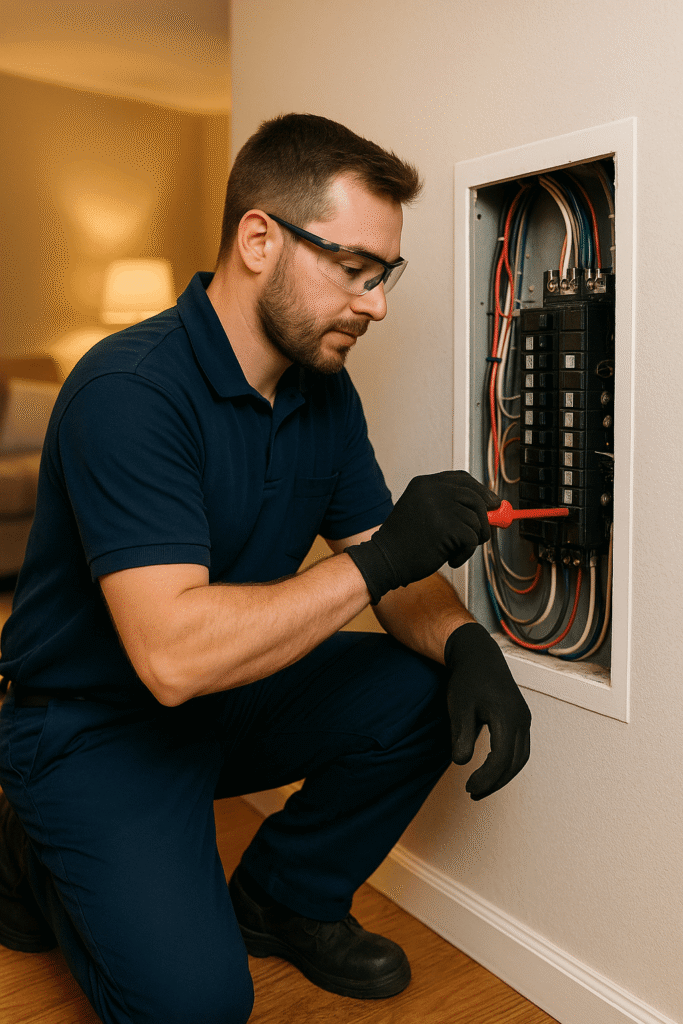
Electrician in a navy uniform working on a home electrical panel
Making the Right Choice

Switch Repair or Replacement?

When the problem is a loose connection, tightening or remaking the connection may solve it. When the switch itself is worn, cracked or damaged by heat, replacement is usually the safer choice. Switches are inexpensive devices, and a worn one is rarely worth keeping. A replacement is also a good time to check that the box is secure, the cover plate is intact and the wiring shows no signs of heat. Our guide on whether a faulty light switch should be repaired or replaced explains how that choice is made.

Dimmer problems follow the same pattern. A dimmer that buzzes or flickers may simply be the wrong type for the bulbs it controls. If you want to upgrade rather than fix, our electrical switch installation page covers new dimmers, smart switches and other options.

Costs

What Affects Switch Repair Costs

The cost of switch repair depends on the cause. A single worn switch is usually a simpler job than tracing a loose connection that affects several switches or fixtures. Other factors include the type of switch, such as standard, three-way or dimmer, the condition of the wiring and electrical box and whether other parts of the circuit need work.

An electrician can give an estimate after checking the switch and circuit. Switch work is part of the electrical repair services in Denver we provide.

Request Electrical Switch Repair in Denver

Tell us which switches are not working, what you have noticed and which lights or outlets they control. Send the details using the form below, and we will get back to you.

Common Questions

Electrical Switch Repair FAQs

Answers about faulty light switches.

Worn contacts, a loose connection, a tripped breaker or a problem with the fixture or bulb can all be the cause. Testing helps find which one it is.

Sometimes a loose connection can be corrected. A worn or damaged switch is usually replaced, since replacement is often the safer option.

Buzzing can come from a loose connection or from a dimmer that does not match the bulbs. A crackling or buzzing switch should be checked.

A standard switch should feel cool. A warm or hot switch may indicate a problem and should be checked. Some dimmers run slightly warm in normal use.

Replace a switch that is cracked, scorched, loose, unreliable or noisy, or one that has been damaged by heat.

It can, but loose bulbs, fixtures, dimmer compatibility and circuit connections are also common causes of flicker.

Need Our Help
Get in Touch