New and Additional Outlets

Electrical Outlet Installation in Denver CO

Most homes were not built with today’s devices in mind. If you rely on extension cords and power strips, or need power in a new spot, adding outlets can make your space safer and easier to use. Electrical outlet installation in Denver CO covers new outlets in existing rooms, remodels, garages and outdoor areas.

This page explains what goes into planning new outlets, what code requirements may apply and what affects the cost.

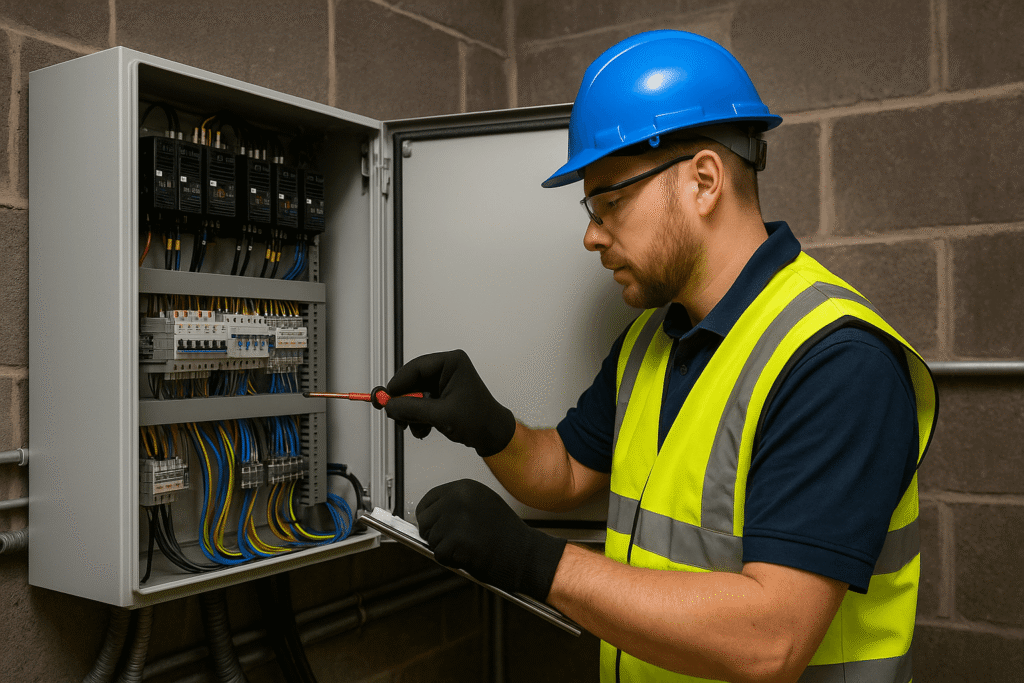
Electrician in a hard hat and safety vest inspecting an electrical control panel
Planning

Adding Outlets to Existing Rooms

Adding an outlet is more than cutting a hole in the wall. An electrician needs to decide where the new outlet will get its power, how the wire will reach it and whether the circuit can handle the extra load.

In some cases, a new outlet can be connected to an existing circuit nearby. In others, the circuit is already busy or the wiring is not suitable, and a new circuit from the panel is the better choice. That depends on the circuit’s capacity, the wiring’s condition, grounding and code requirements. Our guide on adding electrical outlets to an existing room explains what an electrician checks.

Placement matters too. Think about where furniture will go, where you charge devices and where you use appliances most. For more ideas, see where electrical outlets should be installed in a home.

For businesses, outlet needs often change when a space is rearranged, new equipment arrives or workstations are added. Planning outlet locations before a move or remodel can help avoid extension cords across walkways.

Where Outlets Are Added

Common Outlet Installation Projects

These are some of the most common places people add outlets.

Kitchens

Countertop appliances draw a lot of power. Kitchen outlets often need dedicated circuits and GFCI protection, and code sets rules for countertop spacing.

Home Offices

Computers, monitors, printers and chargers add up. Extra outlets reduce the need for power strips and daisy-chained cords.

Garages and Workshops

Tools, freezers and chargers often need more outlets. Garage outlets generally need GFCI protection.

Outdoor Outlets

Outdoor outlets need weather-resistant devices, suitable covers and GFCI protection for use in wet or damp locations.

Code Requirements

Grounding, GFCI and AFCI Protection

New outlets must meet current electrical code. That usually means a grounded outlet and, in many locations, extra protection. GFCI protection is designed to reduce shock risk near water. Our GFCI outlet installation page explains where it is commonly needed.

AFCI protection, which helps detect dangerous arcing, is required for many circuits in homes. Current code also generally calls for tamper-resistant outlets in homes, which help keep children from inserting objects.

The exact requirements depend on the location of the outlet, the type of work and the code in force. An electrician can tell you what applies to your project.

Electrician checking breakers in a commercial electrical panel
Capacity

Circuit Capacity and Dedicated Circuits

Every circuit has a limit. If too many devices share one circuit, the breaker may trip or the wiring may run warm. That is why heavy loads, such as microwaves, space heaters, freezers and some workshop tools, often need their own circuit.

An electrician will look at what is already on a circuit before adding to it. If the panel has no room for new circuits, that also needs to be part of the plan. Older Denver homes may have fewer circuits than newer ones, so a look at the panel is often part of planning.

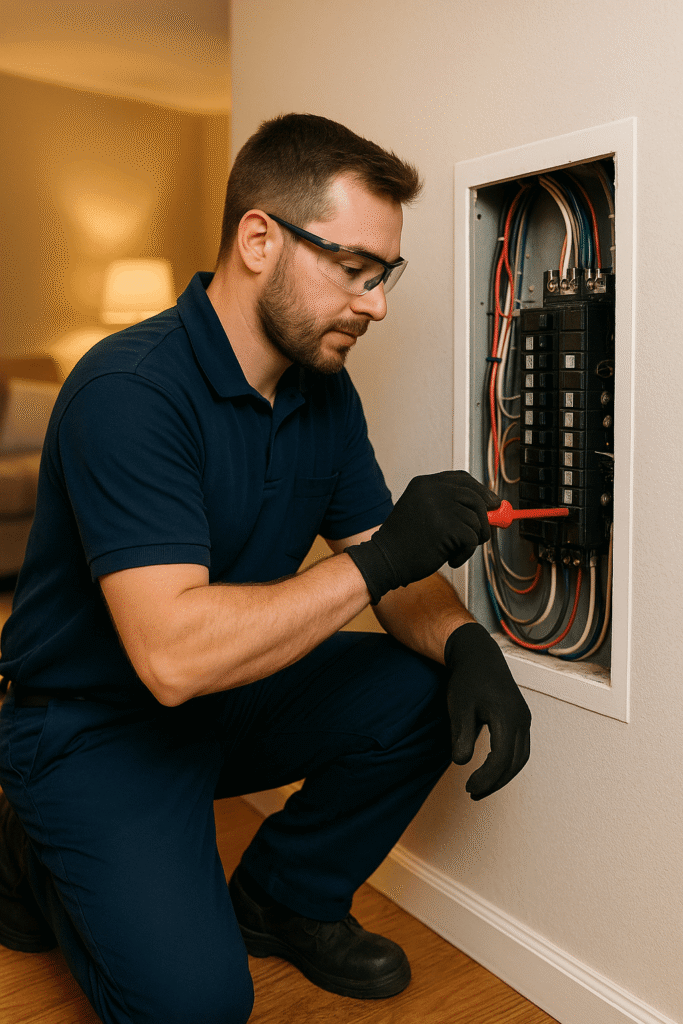
Electrician in a navy uniform working on a home electrical panel
Permits

Permits for New Outlets in Denver

Adding outlets or circuits is electrical work that often needs a permit and inspection in Denver. Licensed electrical contractors can pull permits, and some homeowners can too if they meet the city’s requirements. The City and County of Denver’s homeowner permit information explains who can pull electrical permits. Inspections help confirm that new outlets, boxes and wiring were installed safely and to code.

If an existing outlet has a problem instead, our electrical outlet repair page covers fixing faulty outlets.

Costs

What Affects Outlet Installation Costs

Installation costs vary by project. Common factors include:

  • How many outlets are being added
  • Whether a new circuit is needed
  • How easy it is to run wire to the new location
  • The type of outlet, such as GFCI, USB or weather-resistant
  • Wall materials and any patching needed
  • Permit and inspection requirements

An electrician can give an estimate after looking at the space and the existing circuits. Outlet installation is one of the Denver electrical services we offer for homes and businesses. Our article on what affects the cost of installing a new outlet explains these factors.

Plan Your Outlet Installation in Denver

Let us know where you need new outlets, how you plan to use them and anything you know about the existing wiring. Send the details using the form below, and we will get back to you.

Common Questions

Electrical Outlet Installation FAQs

Answers about adding new outlets.

Yes, in most cases. The electrician will check whether a nearby circuit can handle the load or whether a new circuit is needed.

Often, yes. Adding outlets or circuits in Denver commonly requires a permit and inspection. Your electrician can confirm what your project needs.

Yes. Outdoor outlets need weather-resistant devices, suitable covers and GFCI protection.

The number of outlets, whether a new circuit is needed, access for wiring, outlet type, wall repair and permits all affect cost.

It depends on the location. Kitchens, bathrooms, garages, laundry areas and outdoor spaces commonly need it.

Power strips are fine for light use, but they do not add circuit capacity. If you rely on them heavily, adding outlets may be the safer long-term option.

Need Our Help
Get in Touch