Circuits for Specific Equipment

Dedicated Circuit Installation in Denver CO

Some appliances and equipment need a circuit of their own. Sharing a circuit with other loads can lead to tripped breakers, warm wiring or equipment that does not run properly. Dedicated circuit installation in Denver CO adds a separate circuit from your panel for a specific appliance or piece of equipment.

This page explains when a dedicated circuit may be needed and what affects the installation.

Electrician checking breakers in a commercial electrical panel
The Basics

What Is a Dedicated Circuit?

A dedicated circuit is a circuit that serves one appliance or one piece of equipment. It runs from its own breaker in the panel to that load, with no other outlets or lights sharing it.

Dedicated circuits help large or sensitive loads get the power they need without overloading a shared circuit. They also make it easier to switch off one appliance at the panel for service.

Not every appliance needs a dedicated circuit. Requirements depend on the equipment’s rating, the manufacturer’s installation instructions and the electrical code. Kitchens, laundry areas and bathrooms also have code rules for certain outlet circuits, separate from appliance circuits. Our article on which appliances need a dedicated circuit covers common examples.

Common Loads

Equipment That Often Uses a Dedicated Circuit

These are common examples. The equipment’s instructions and the code decide what is required.

Kitchen Appliances

Ranges, built-in microwaves, dishwashers, disposals and some refrigerators often have their own circuits.

Laundry Equipment

Electric dryers typically need a 240-volt circuit, and washers are commonly on their own circuit.

Heating and Cooling

Air conditioners, heat pumps, furnaces and some electric heaters usually need dedicated circuits sized to the equipment.

Workshops and EV Chargers

Larger tools, compressors and EV charging equipment often need their own circuits, sometimes at 240 volts.

Panel Capacity

Panel Space and Capacity

Adding a dedicated circuit needs two things in the panel: physical space for a new breaker and enough capacity for the added load. A panel can have open spaces but still be close to its limit, or have plenty of capacity but no room left. Here is more on adding a dedicated circuit to an existing panel.

If the panel is full or near capacity, options may include rearranging circuits, using a load calculation to confirm what is possible or an electrical panel upgrade. An electrician can explain which approach fits your home. Older Denver homes with smaller panels are more likely to be short on space, especially after past remodels added circuits.

The new breaker must be a type the panel is designed to accept and must match the circuit’s wiring.

Smiling electrician in an orange hard hat and safety glasses
Wiring

Wiring, Breakers and Receptacles

Each circuit is designed as a system. The wire size, breaker rating and receptacle type must match each other and the equipment. A breaker should never be increased in size to stop trips without checking whether the wiring can handle it.

Some equipment is hardwired, while other appliances plug into a specific receptacle. Location also matters. Circuits in kitchens, laundry areas, garages and outdoors often need GFCI or AFCI protection.

If you only need more places to plug in everyday devices, our electrical outlet installation page may be a better fit. Signs that equipment may need its own circuit include breakers that trip when it starts, lights that dim when it runs or an appliance manual that calls for a dedicated circuit.

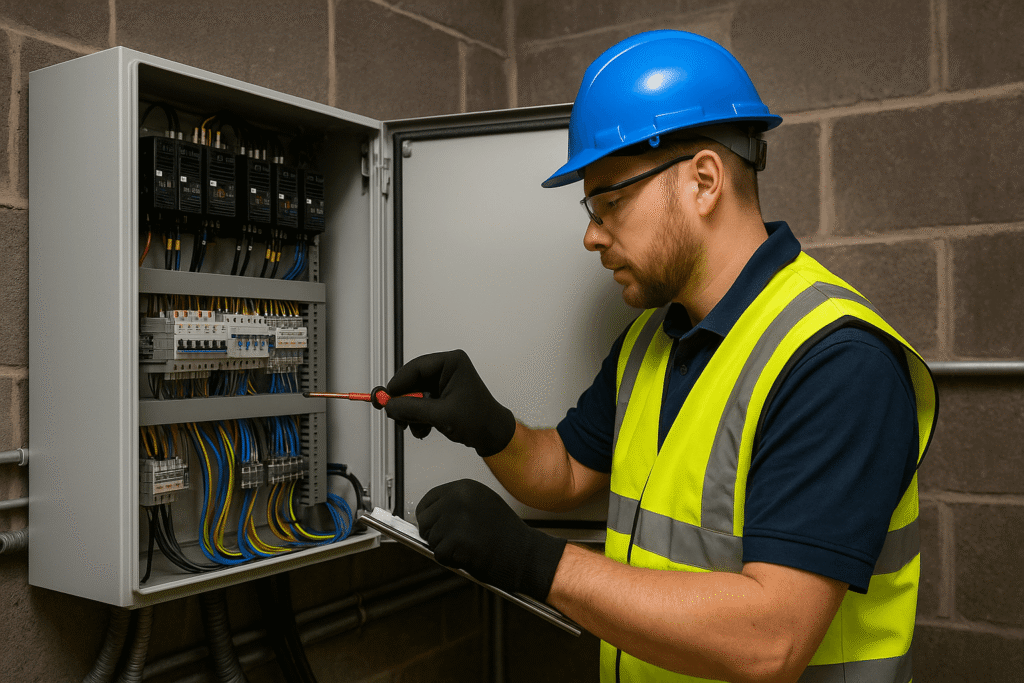
Electrician in a hard hat and safety vest inspecting an electrical control panel
Permits

Permits for New Circuits in Denver

Adding a new circuit is electrical work that generally needs a permit and inspection in Denver. Licensed electrical contractors can pull permits, and some homeowners can too if they meet the city’s requirements. The City and County of Denver’s homeowner permit information explains who can apply.

Inspections help confirm that the wire, breaker, protection and connections were installed correctly. Keep the equipment’s installation instructions handy, as they often list the circuit size required.

Costs

What Affects Dedicated Circuit Costs

The cost of a dedicated circuit depends on several factors, including the circuit’s voltage and amperage, the distance from the panel to the equipment, how easy it is to run wire through walls, attics or basements, whether the panel has space and capacity, the type of receptacle or connection needed and permit requirements.

An electrician can review the equipment and your panel and give an estimate. Circuit work is part of the electrical installation services in Denver we provide. Our guide to what affects the cost of a dedicated circuit explains these factors in more detail.

Request Dedicated Circuit Installation in Denver

Tell us what equipment needs the circuit, where it will be installed and its electrical rating if you have it. Send the details using the form below, and we will get back to you.

Common Questions

Dedicated Circuit Installation FAQs

Answers about adding dedicated circuits.

It is a circuit that serves only one appliance or piece of equipment, with its own breaker in the panel.

It depends on the equipment and the code. Ranges, dryers, HVAC equipment, some kitchen appliances and EV chargers commonly use them.

Often, yes, if the panel has space and enough capacity. If not, other options or a panel upgrade may be needed.

Adding a new circuit generally requires a permit and inspection in Denver.

Voltage and amperage, distance from the panel, wiring access, panel space and capacity, connection type and permits all affect cost.

No. The breaker must match the wiring. A larger breaker on wiring that is too small can let the wire overheat.

Need Our Help
Get in Touch